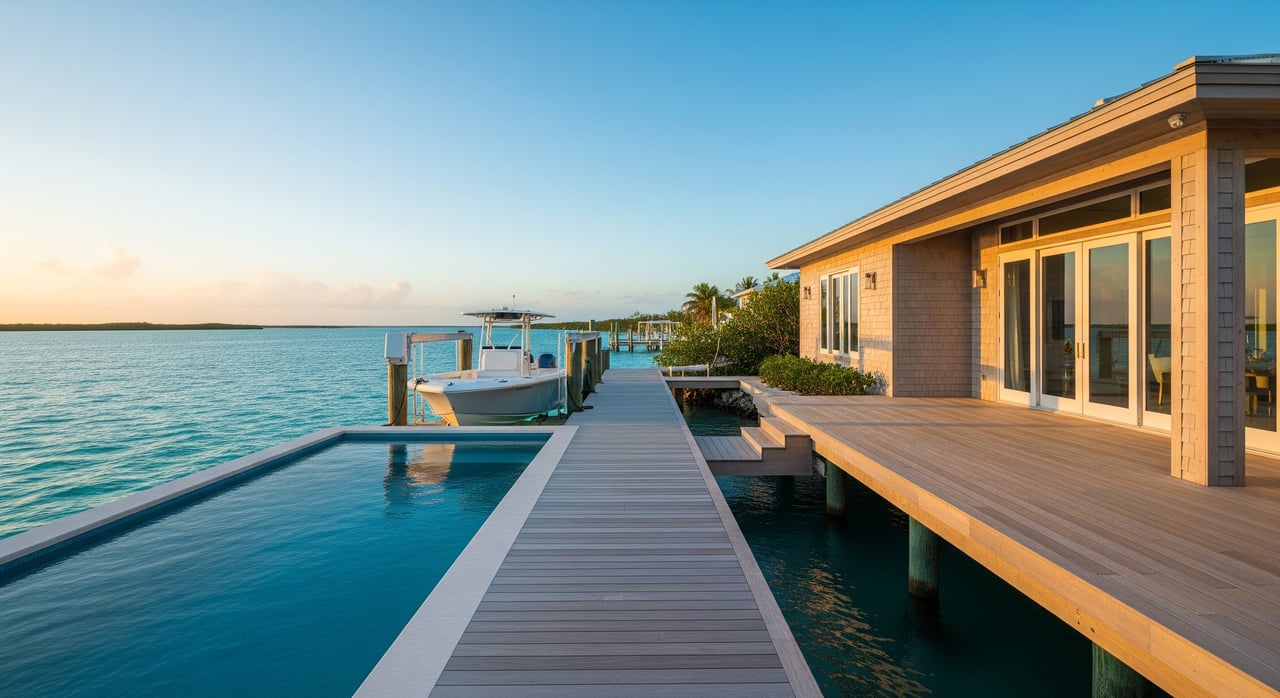
Ever wish you could trade the crowd and noise for quiet mornings, mangrove breezes, and deer strolling past your driveway? On Big Pine Key, that’s a normal day. You still have easy access to the best of the Lower Keys, but life moves at a more relaxed pace. In this guide, you’ll learn what it’s really like to live on Big Pine Key, from housing styles and boating access to commute times, schools, storm prep, and everyday services. Let’s dive in.
Big Pine Key at a glance
Big Pine Key sits in the Lower Keys along U.S. 1, about a 30 to 40 minute drive from Key West depending on traffic and weather. It’s part of unincorporated Monroe County and is known for a quieter, more residential lifestyle than the tourist core of Key West. You’ll find fewer nightlife districts and more neighborhoods, boat ramps, and wildlife.
The island’s identity is shaped by the National Key Deer Refuge. You’re likely to see Key deer throughout the day, especially at dawn and dusk. That conservation focus gives the island a nature-forward feel and influences things like speed limits, fencing, and how land can be used.
Housing and neighborhoods
Home styles you’ll see
Most homes on Big Pine Key are single-family. You’ll see older mid-century cottages, classic Keys wood-frame houses, and newer elevated homes designed for storm resilience. Manufactured and mobile homes are common too, along with a handful of small multi-unit properties.
Waterfront homes with docks are a signature feature in many neighborhoods. Many properties are built on pilings or raised slabs to address flood and storm surge risk. Features like hurricane-rated windows or shutters, elevated foundations, and generator hookups are common and often valued by buyers.
What drives value
- Waterfront versus inland. Homes with private dockage and deeper-water access carry significant premiums. On-water location and water depth matter if you plan to keep a boat at home.
- Lot size and privacy. Larger lots are rarer in the Keys, so they can command higher prices.
- Elevation and condition. Newer builds with higher freeboard and engineered foundations can improve insurability and peace of mind.
- Short-term rental potential. In some areas, the ability to operate a short-term rental can boost demand, but rules vary. Always confirm local regulations before you count on rental income.
Buying and selling rhythm
Inventory across the Lower Keys is limited compared with many mainland markets. Demand often rises in winter when seasonal residents are in town, which can affect showing activity and pricing dynamics. Big Pine Key is generally more affordable than central Key West neighborhoods, though waterfront and newer construction homes still carry high values. For exact numbers, rely on current MLS data and recent comps at the time you’re ready to act.
Getting around and daily life
Commute and transit
U.S. 1, the Overseas Highway, is the primary route for daily travel. You can expect about 30 to 40 minutes to Key West in typical conditions; trips to Marathon or other islands vary by distance. Because there is a single corridor, accidents, storms, or bridge work can slow things down. Public transit exists, but service is limited. Most residents rely on private vehicles.
Shopping and services
You’ll find everyday essentials on Big Pine Key, including groceries, hardware and boating supplies, restaurants, and small retail. For specialist medical care, larger stores, or more service options, many residents make trips to Key West or Marathon. Large-item deliveries and emergency supplies come in over the highway, so lead times can be longer than on the mainland.
Schools and childcare
Public schools are operated by the Monroe County School District. School assignments depend on your property’s exact address, so check official boundary maps and district resources when you narrow down a home. Bus rides may cross bridges between islands, so build commute time into your family’s routine. Private and faith-based preschools or programs are available in the area, but options are more limited than in urban centers.
Utilities and internet
Electric service is provided by local Keys utilities. Outages after storms are a common consideration, so many homes have backup power. Some areas use central sewer while others use septic; it varies by neighborhood. Internet service has improved in the Keys, but speeds and provider choices can feel different than major metro areas. Confirm service levels at any address you’re considering.
Boating, reefs, and wildlife
On the water
Living on Big Pine Key puts you close to some of the best water in the Lower Keys. Backcountry flats, nearshore reefs, and quick runs to Looe Key make it easy to fish, dive, or snorkel. Public ramps and private marinas serve the island and nearby keys. If you plan to keep a boat at home, pay attention to channel depth and local permitting rules for docks and shoreline work.
National Key Deer Refuge
The National Key Deer Refuge covers large parts of Big Pine Key and nearby islands. It protects the endangered Key deer along with other native species. Feeding or harassing Key deer is illegal. Speed limits are enforced in refuge areas, and deer are active at night, so drive carefully.
A favorite local stop is the Blue Hole, a freshwater pond formed from an old quarry. It attracts birds, deer, and other wildlife. It’s a quick way to experience the island’s natural side between errands or on a weekend stroll.
Risks, insurance, and planning
Storms and flood risk
Big Pine Key is low-lying and exposed to tropical storms, hurricanes, storm surge, and high-tide flooding. Many properties sit in FEMA flood zones and may require flood insurance. Wind and flood insurance costs are often higher than on the mainland. Before you buy, request insurance quotes based on the exact address and home features.
Resilient construction matters here. Elevated foundations, wind-rated openings, roof-to-wall tie-downs, and quality roofing help reduce risk and may influence insurance costs. Monroe County and Florida building codes set the standards for new construction and major repairs, so budget for code-compliant improvements when you plan updates.
Everyday preparedness
Storm readiness is part of life. Keep fuel, water, batteries, and a plan for securing outdoor gear. Many residents invest in whole-home or portable generators. After a storm, expect power and internet interruptions and limited access along U.S. 1 until crews complete safety checks.
Short-term rentals and permitting
Short-term rentals are regulated across the Keys at the county and municipal level. Rules can cover registration, occupancy taxes, minimum stays, parking, and where rentals are allowed. If you’re buying with rental income in mind, verify current Monroe County regulations and any neighborhood-specific restrictions before you write an offer.
Waterfront improvements also need careful review. Dock construction, repairs, and shoreline work fall under permitting and environmental guidelines. Mangroves are protected, and water depth or channel access can shape what you can do on a property. Always confirm with county planning and environmental resources before you budget for a dock or lift.
Who loves living here
If you want nature, boating, and a calmer pace within reach of Key West and Marathon, Big Pine Key fits well. Many full-time residents value quiet streets, local marinas, and easy access to flats and reefs. Seasonal residents appreciate the chance to unplug without giving up essentials. Investors look for the right location and home features to support a rental strategy, always balanced with local rules and property management plans.
Tips for choosing the right Big Pine home
- Confirm elevation and freeboard. Ask for elevation certificates and understand how they affect flood insurance.
- Get insurance quotes early. Compare flood and wind policies for the exact address and home specs.
- Verify dock depth and access. Learn channel depths, bridge clearances, and tidal impacts for your boat.
- Look for wind mitigation features. Hurricane-rated windows, shutters, and roof tie-downs can help with safety and insurance.
- Check sewer versus septic. Understand connection status, fees, and maintenance needs.
- Test internet options. Confirm providers and speeds at the address.
- Confirm school assignments. Use district tools for address-based boundaries.
- Review travel tolerance. Try the drive to Key West or Marathon at your typical commute time.
- Know the rules. Verify short-term rental eligibility, permitting history, and any conservation-related restrictions.
Local guidance when you need it
Choosing a Keys home is part lifestyle and part logistics. The right dock depth, elevation, or construction detail can make a big difference in long-term costs and enjoyment. If you want hands-on advice about neighborhoods, seasonality, insurance, permitting, and rental strategies, you’ll benefit from local expertise that has seen decades of market cycles.
The Karen Haack Team is a family-operated, Lower Keys-focused group with deep roots on Big Pine Key. We help buyers and sellers across waterfront and inland homes, vacant land, and luxury listings. For investors and seasonal owners, we also provide vacation-rental and long-term property management, giving you a turnkey path from purchase to income. Ready to explore Big Pine Key with a local advisor? Talk to a Lower Keys real estate expert today with Halley Haack.
FAQs
How long is the commute from Big Pine Key to Key West?
- Most days it’s about 30 to 40 minutes, but U.S. 1 is a single corridor, so traffic, accidents, weather, or bridge work can change travel time.
Is Big Pine Key more affordable than Key West for buyers?
- Generally yes. Big Pine Key often offers more moderately priced single-family and manufactured homes than central Key West, while waterfront homes still command high values.
What should I know about schools on Big Pine Key?
- Public schools are operated by the Monroe County School District, and assignments depend on your address. Check district resources for boundaries and transportation.
How big of a concern are hurricanes and flooding on Big Pine Key?
- Storms and flood risk are part of life. Many properties fall within FEMA flood zones and often need flood insurance. Building standards and preparedness help manage the risk.
Can I keep a boat at my home on Big Pine Key?
- Many properties include docks or private access, but you should verify water depth, channel access, and dock permitting rules before you buy.
Are there special rules because of the Key deer on Big Pine Key?
- Yes. Feeding or harassing Key deer is illegal. Speed limits are enforced in refuge areas, and deer are active at night, so use caution when driving.
Are short-term rentals allowed on Big Pine Key?
- Short-term rentals are regulated at the county level with rules on registration, stays, and locations. Confirm current Monroe County regulations for the specific property.