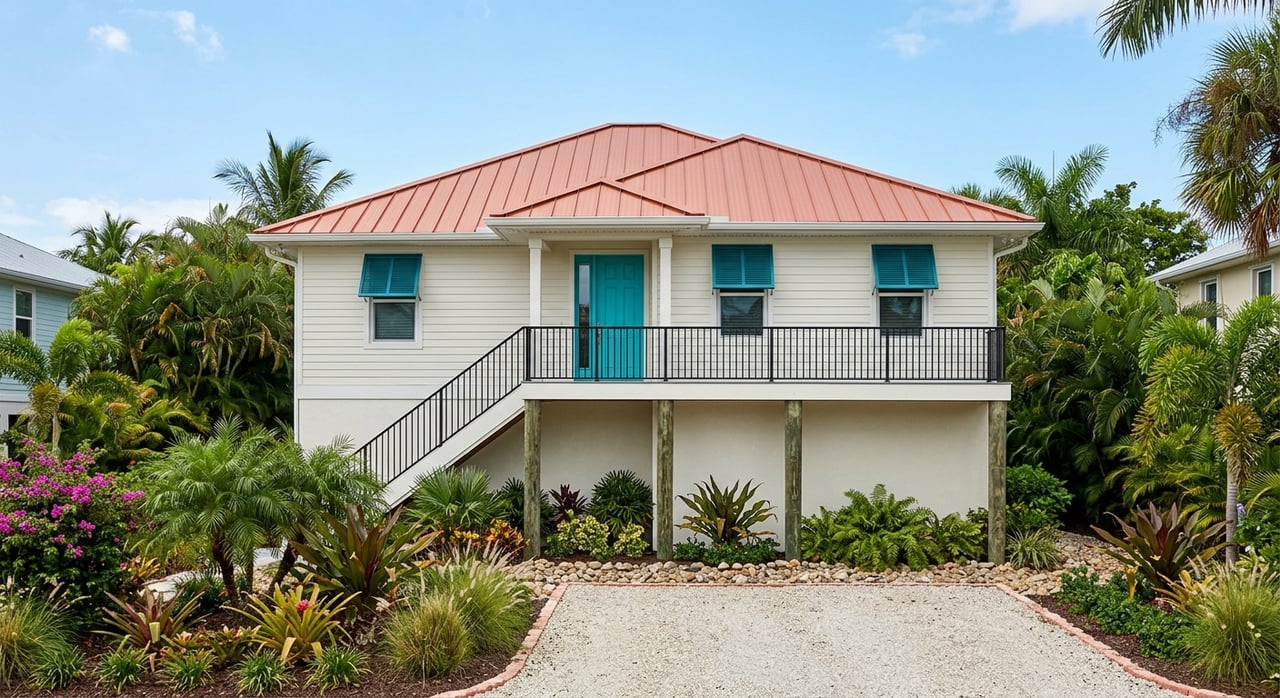
Thinking about trading mainland routines for island life in Key West or the Lower Keys? The move can be exciting, but it also comes with a very different set of day-to-day realities than many buyers expect. If you are planning a relocation, understanding climate, housing costs, flood planning, commuting, and local services can help you make a smart decision with fewer surprises. Let’s dive in.
Island Living Feels Different Fast
Relocating to Key West and the Lower Keys is not just a zip code change. It is a lifestyle shift shaped by water, weather, limited land, and the long US-1 corridor that connects the island chain.
That is part of the appeal for many buyers. You get a setting defined by boating access, canal-front neighborhoods, historic areas, and a pace that often feels simpler than larger mainland metros.
At the same time, daily life here requires more planning. Things like flood zones, insurance, evacuation routes, and property condition matter in a bigger way than they do in many other markets.
Climate in Key West and the Lower Keys
If you are moving from most other parts of the country, the climate will be one of the biggest adjustments. Key West has a tropical-maritime climate, with NOAA normals showing an average high of 83.7°F, an average temperature of 78.9°F, and an average low of 74.0°F.
The area averages 40.44 inches of annual rainfall, and the wetter part of the year is generally June through October. The National Weather Service also notes that Key West has no record of frost, ice, sleet, or snow.
For many newcomers, that means warm weather is not a season here. It is the baseline, and your home search may need to account for year-round humidity, rain patterns, and outdoor maintenance.
Hurricane Season Is Part of Life
Hurricane season runs from June 1 through November 30. In the Keys, storm preparation is not something people think about only when a forecast turns serious.
Monroe County recommends knowing your evacuation zone, destination, fuel plan, and re-entry process before a storm is approaching. If you are relocating here, that planning should be part of your move, not an afterthought.
Flooding Is a Core Homebuying Issue
In Monroe County, flood planning is part of everyday life. The county states that all of Monroe County is in a floodplain, and base flood elevations range from 6 to 17 feet above mean sea level.
That has real implications for buyers and owners. Monroe County also makes clear that flood damage is not covered by standard homeowners insurance.
Before you buy, you will want to understand the property’s flood zone, elevation, and likely insurance needs. This is one of the most important differences between relocating to the Keys and relocating to many mainland markets.
Older Homes Can Bring Extra Costs
Older homes can be full of charm, especially in historic or long-established areas. But in the Keys, age and character should always be weighed alongside flood and building requirements.
Monroe County says structures built after December 31, 1974 must have the lowest floor elevated to or above base flood elevation. The county also notes that substantial improvements or damage can trigger added code requirements.
If you are considering a fixer-upper, those rules can affect renovation scope, budget, and timing. A home that looks like a value on paper may require more investment than you expect.
Housing Costs Are Higher Than Many Buyers Expect
Key West and Monroe County are expensive housing markets by Florida standards. Census QuickFacts reports a median owner-occupied home value of $852,400 in Key West and $780,600 in Monroe County, compared with $359,000 statewide.
Rental costs are elevated too. Median gross rent is listed at $2,220 in Key West and $1,999 countywide, versus $1,669 across Florida.
Median household income is higher in Key West and Monroe County than the state average, but housing costs still take a much bigger share of the budget here. For many relocating buyers, the key is to look beyond the purchase price and think in terms of total monthly ownership cost.
Budget Beyond the Mortgage
Monroe County identifies high land values, limited land, a tourism-based economy, and controlled permit supply as factors behind housing pressure. The county also says wind insurance affordability is a critical issue, and that high insurance costs add to the housing challenge.
That means your relocation budget should include more than principal, interest, taxes, and basic utilities. You may also need to account for flood insurance, wind coverage, and higher maintenance costs tied to a coastal environment.
Neighborhoods Vary More Than Many Newcomers Realize
One of the biggest mistakes relocating buyers make is assuming the Keys feel the same from one area to the next. In reality, Key West and the Lower Keys offer very different housing patterns and lifestyles.
In Key West, city guidelines describe Old Town as a historic district with small-scale houses, interior lanes, and mixed-use corridors. The Casa Marina area, by contrast, includes more modern homes on larger plots.
In the Lower Keys, Monroe County describes a low-density, primarily residential pattern. On keys such as Big Pine, Cudjoe, Summerland, and Sugarloaf, canal-front living is a real part of the market, and that can shape everything from boating access to lot layout.
What That Means for Your Search
If you want walkable historic character, your search may look very different than if you want a low-density residential setting or canal-front property. If boating is part of your plan, location details become even more important.
This is where local guidance matters. A relocation search here is often less about broad citywide assumptions and more about choosing the right island, neighborhood pattern, and property type for how you want to live.
Transportation Runs on the US-1 Corridor
The Overseas Highway is the only land-based link to mainland Florida. That single fact shapes commuting, errands, appointments, and travel in ways that can be hard to picture before you move.
Monroe County transit services include Miami-Dade Transit, Key West Transit, and on-demand service in Key West. The county also lists the Lower Keys Shuttle, which runs from Key West to Marathon.
Even if your commute is not long by mainland standards, geography still matters. Census QuickFacts reports a mean travel time to work of 14.8 minutes in Key West and 19.5 minutes in Monroe County.
Remote Work Still Requires Due Diligence
If you work from home, do not assume service levels are identical at every address. Broadband penetration is high, with subscriptions reported in 90.3% of Key West households and 89.9% of Monroe County households.
That said, it is still wise to confirm broadband availability at the exact property you are considering. For many relocating households, that step belongs on the must-check list alongside insurance and flood zone review.
Schools and Healthcare Need Address-Level Planning
If your move involves school-age children, it is best to verify school zoning based on the exact home you are considering. Monroe County School District received a B on Florida’s 2024 district grades report card, and schools are distributed across the county rather than centered in one compact area.
The district includes schools such as Key West High School, Poinciana Elementary, Sugarloaf School, Horace O’Bryant School, and Gerald Adams Elementary, among others. Because of the geography, drive distance can vary more than newcomers expect.
Healthcare planning matters too. In Key West, Lower Keys Medical Center offers full-service acute care with 24-hour emergency, X-ray, and laboratory services. In Marathon, Fishermen’s Community Hospital ER is open 24 hours a day and offers CT, X-ray, laboratory services, ultrasound, and wound care.
Monroe County also lists Trauma Star air-ambulance bases in Key West and at the Marathon airport. That reflects the region’s island geography and the importance of understanding how local and regional care work together.
A Smart Relocation Checklist for the Keys
Before you commit to a move, focus on the details that matter most in this market. A practical relocation plan can help you avoid common surprises.
Here are some of the most useful items to confirm before buying or renting:
- Check the flood zone and ask for the elevation certificate
- Verify the evacuation zone and re-entry requirements
- Budget for flood insurance and wind insurance
- Review commute patterns along US-1
- Confirm broadband service at the exact address
- Check school zoning based on the property location
- Understand whether renovations could trigger code upgrades
- Factor in maintenance needs for a coastal property
What New Residents Should Expect Most
The biggest adjustment for many newcomers is that life here is shaped by the environment in practical ways. Weather, water, and limited land are not background details. They are part of almost every housing decision.
That does not mean relocating to Key West or the Lower Keys is difficult. It means the best move is an informed one, especially if you want the right fit between your budget, your lifestyle, and the type of property you choose.
When you understand the local realities, you can focus on what draws so many people here in the first place: island beauty, distinctive neighborhoods, waterfront living, and a day-to-day rhythm that feels unlike anywhere else in Florida.
If you are planning a move to the Lower Florida Keys, working with a team that understands local housing patterns, flood considerations, canal-front properties, and relocation logistics can make the process much smoother. Connect with Halley Haack for practical guidance tailored to your goals.
FAQs
What is the climate like when relocating to Key West and the Lower Keys?
- You can expect a tropical-maritime climate with warm temperatures year-round, about 40.44 inches of annual rainfall, a wetter season from June through October, and no recorded frost, ice, sleet, or snow in Key West.
What should homebuyers know about flooding in Monroe County?
- Monroe County says all of the county is in a floodplain, base flood elevations range from 6 to 17 feet above mean sea level, and flood damage is not covered by standard homeowners insurance.
Are homes in Key West and Monroe County expensive?
- Yes. Census QuickFacts shows median owner-occupied home values of $852,400 in Key West and $780,600 in Monroe County, both well above Florida’s statewide figure of $359,000.
How do neighborhoods differ between Key West and the Lower Keys?
- Key West includes areas such as historic Old Town and the more modern Casa Marina area, while the Lower Keys are generally lower-density and include many residential neighborhoods with canal-front homes on islands such as Big Pine, Cudjoe, Summerland, and Sugarloaf.
What is commuting like in Key West and the Lower Keys?
- Daily travel is shaped by the US-1 corridor and the Overseas Highway, which is the only land-based connection to mainland Florida. Mean travel time to work is 14.8 minutes in Key West and 19.5 minutes in Monroe County.
What should remote workers verify before moving to the Lower Keys?
- Even though broadband subscription rates are high, you should still confirm internet service at the exact property before you move.
What should families check about schools when moving to Monroe County?
- You should verify school zoning and drive distance for the specific property, since school assignments and travel patterns can vary across the island chain.
What should buyers ask before purchasing an older home in the Keys?
- Buyers should ask about flood zone, elevation, past improvements, and whether future renovations could trigger code requirements tied to local flood standards.