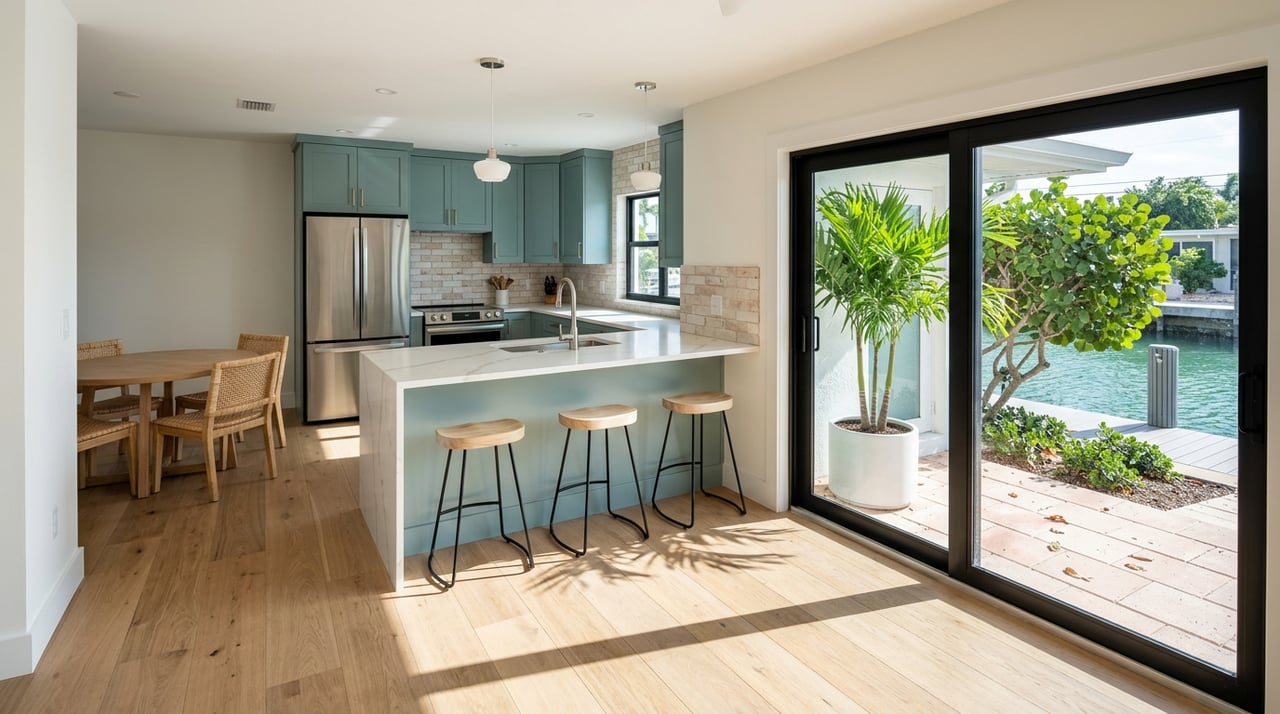
Thinking about buying a vacation home in Duck Key? You are not alone. This Middle Keys island stands out because it blends resort-style appeal, boating access, and a vacation-rental market that can support both personal use and income goals. If you are weighing lifestyle value against rental potential, understanding how Duck Key really works can help you make a smarter move. Let’s dive in.
Why Duck Key draws vacation-home buyers
Duck Key has a unique position in Monroe County. It is a bridge-connected island with a resort-centered identity, and that shapes both buyer demand and guest expectations. Hawks Cay Resort is a major part of that picture, with guest rooms, suites, and private villas that bring a hospitality-driven feel to the island.
That matters if you are shopping for income potential. In many vacation markets, location alone does the work. In Duck Key, the combination of resort branding, marina access, and villa-style inventory gives certain properties a more turnkey appeal for buyers who want a home that can also perform as a rental.
Duck Key also has a residential security district created by Monroe County to provide security services in residential areas. For buyers, that is one more example of how ownership here includes island-specific considerations that can affect both daily use and long-term expenses.
What types of homes support rental income
Duck Key inventory typically includes waterfront single-family homes, townhouses, and condo-townhouse villas. Some villa listings are specifically marketed with daily rental capability and optional onsite management, which shows that part of the local market is built around income-oriented ownership.
In practical terms, the homes with the strongest guest appeal usually share a few traits. They are designed for easy vacation use, they sleep multiple guests comfortably, and they offer the kind of amenities travelers expect when choosing the Keys over a standard hotel stay.
Features that can boost guest appeal
The research points to several features that are closely tied to rental performance on Duck Key:
- Multiple bedrooms
- Full kitchens
- Villa-style layouts
- Water views
- Marina access
- Dockage
- Access to resort-level amenities
If you are comparing two similar properties, these details can matter as much as square footage. A well-positioned villa or waterfront home with strong boating access may align more closely with what Duck Key visitors are already seeking.
Why boating amenities matter
Duck Key is not just a place to stay. It is a place where many visitors want to get out on the water. Hawks Cay Marina is positioned for boaters, anglers, and extended-stay yacht travelers, while Duck Key Marina offers wet slips for boats up to 40 feet along with fuel, ice, restrooms, and fish-cleaning access.
That boating connection can support rental appeal because it matches the broader Florida Keys travel pattern. Guests often choose this area for fishing, snorkeling, and water-based recreation, so properties that make those experiences easier may have an edge.
What visitor demand looks like in Monroe County
Vacation-home income depends on real demand, not just a beautiful property. Monroe County’s 2024 visitor profile offers useful context for what the broader market looks like around Duck Key.
The county found that 77% of visitors said their main trip purpose was recreation or vacation. Another 47% said they came to relax and escape. That is good alignment for owners offering a home that feels easy, comfortable, and experience-driven.
The same survey found that 63% of visitors planned at least one month in advance, and the average stay was 5.6 nights. For owners, that suggests many guests are not booking at the last minute. A property with professional marketing, strong calendars, and streamlined management may be better positioned to capture that planning behavior.
Hotel stays still dominate, but rentals have a clear share
The visitor profile showed that 62% of travelers stayed in a hotel, motel, or resort, while 15.9% stayed in a seasonal or vacation rental. That does not mean every vacation home will perform the same way, but it does confirm that short-term rental demand is part of the Monroe County lodging mix.
In Duck Key, that rental segment may be especially relevant because of the island’s villa inventory and resort-adjacent appeal. Buyers looking for a dual-use property often see that as a plus, especially if they want personal enjoyment without giving up income opportunities.
Seasonality can shape your income plan
If you are estimating income potential, seasonality deserves close attention. Monroe County’s visitor survey logged its highest monthly response count in March, with lower counts during summer and early fall, including June and September. While that is not a direct occupancy report for Duck Key homes, it does suggest that late winter and spring are likely the strongest visitation periods.
Climate patterns support that view. The Florida Keys have a mild tropical-maritime climate, with a dry season from December through April and a wet season from June through October. Atlantic hurricane season runs from June 1 through November 30, which can create more weather-related uncertainty in summer and fall.
What this means for owners
Your strongest pricing and occupancy windows may line up with winter and spring. Summer and fall can still bring guests, but they may come with more volatility tied to weather and travel patterns.
That means a realistic income model should account for:
- Peak-season demand in late winter and spring
- Softer periods in parts of summer and early fall
- Storm-related risk during hurricane season
- Variable maintenance and scheduling needs on an island property
A conservative, season-aware approach is usually smarter than assuming the same pace of bookings all year long.
Rules and costs you need to verify first
Before you buy a Duck Key vacation home for rental income, make sure the property is actually eligible for the use you want. Monroe County’s Special Vacation Rental Program is the key local framework to review.
The county states that not all areas allow vacation rentals. It also defines rentals of less than 28 days as vacation rentals. In districts where they may be allowed, a Special Vacation Rental Permit may still be required.
Monroe County permit basics
If a property qualifies, Monroe County says the owner or agent must:
- Obtain an annual permit
- Pass a Fire and Life Safety Inspection
- Hold a special vacation rental manager license
The county also lists these fees:
- $490 initial permit fee
- $100 renewal fee
- $110 manager license fee
- Inspection fees that vary by bedroom count
These are not small details. They affect startup cost, timing, and ongoing operations, so they should be part of your underwriting from day one.
Taxes and business registration matter too
Monroe County requires a local business tax receipt for rental accommodations offered on a daily, weekly, monthly, or yearly basis. The county also levies a 5% Tourist Development Tax on transient accommodations of six months or less.
One important point for owners is that Airbnb and VRBO do not remit that county tax to the Monroe County Tax Collector’s office. According to the county tax collector, the owner is responsible. Florida’s Department of Revenue also states that short-term rentals are taxable and subject to state sales tax plus any applicable county surtax, in addition to local transient rental taxes.
If you are building a cash-flow model, taxes and permit compliance should sit near the top of your list, not at the bottom.
Island ownership costs can affect net income
On Duck Key, gross rental income is only part of the story. Net income can shift quickly if you underestimate island-specific ownership costs.
Flood and insurance checks are especially important. FEMA’s Flood Map Service Center is the official source for flood-hazard verification by address, and Monroe County also provides local coastal flood-map resources. Before you buy, you will want a clear understanding of flood exposure, insurance pricing, and any related lender requirements.
Duck Key also has local infrastructure factors that deserve attention. Monroe County is actively managing bridge repairs and drainage work on the island, and the island includes a special taxing district tied to residential security services. Buyers should treat assessments, access, and construction timing as part of the financial picture before projecting net returns.
Who Duck Key fits best
Duck Key is not the same as buying a generic second home in a broad beach market. Its strongest appeal appears to be for buyers who want a vacation asset with resort energy, water access, and the possibility of professional management.
That can make it a strong fit if you want one or more of the following:
- A home you can enjoy personally throughout the year
- A property with boating or marina appeal
- A villa or waterfront layout that suits short-term guests
- A more hands-off ownership model with management support
- A vacation property where rental income helps offset carrying costs
In short, Duck Key may be most attractive when you approach it as both a lifestyle purchase and a business decision.
How to evaluate a Duck Key property wisely
If you are serious about buying here, focus on a few practical questions before you fall in love with the view. Not every attractive home will be equally strong as a vacation rental.
Start with the basics:
- Is the property in a district where vacation rentals may be allowed?
- What permit, inspection, and licensing steps will apply?
- What are the expected flood and insurance costs?
- Does the layout support the kind of guests most likely to book in Duck Key?
- Are amenities like dockage, water views, or resort access part of the value?
- How will bridge work, drainage work, or district assessments affect ownership?
Those answers can help you separate a beautiful property from a truly workable investment.
If you want local guidance, the right advisor can help you compare lifestyle fit, income potential, and operating realities at the same time. That kind of on-the-ground perspective matters in the Keys, where permitting, boating access, seasonality, and management logistics can all shape the result. If you are exploring Duck Key as a vacation-home or rental investment, Halley Haack can help you evaluate the opportunity with a practical Lower Keys perspective.
FAQs
What makes Duck Key vacation homes appealing to renters?
- Duck Key vacation homes often appeal to renters because of waterfront settings, villa-style layouts, marina access, boating amenities, and proximity to resort-style features.
What rental rules apply to Duck Key vacation homes?
- Monroe County says rentals of less than 28 days are vacation rentals, not all areas allow them, and eligible properties may need a Special Vacation Rental Permit, inspections, and a manager license.
What taxes apply to Duck Key short-term rentals?
- Monroe County levies a 5% Tourist Development Tax on transient accommodations of six months or less, and Florida short-term rentals are also subject to state sales tax plus any applicable county surtax.
What season is strongest for Duck Key rental demand?
- Monroe County visitor data suggests late winter and spring are likely the strongest periods, while summer and early fall may be less consistent.
What costs should buyers review before purchasing a Duck Key vacation home?
- You should review permit fees, inspection costs, business tax receipt requirements, flood exposure, insurance costs, district assessments, and any island infrastructure factors that could affect access or maintenance timing.