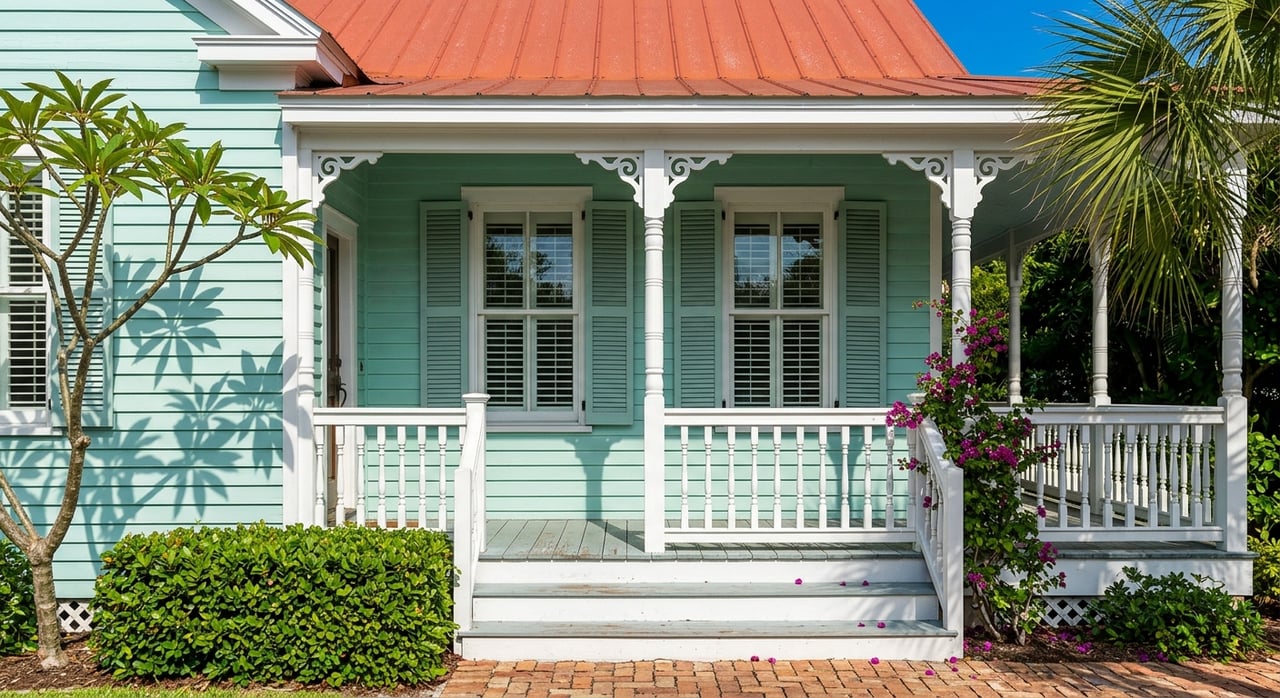
Dreaming about gingerbread trim, shady porches, and old-Keys character? Buying a historic home in Key West can be incredibly rewarding, but it also comes with rules, inspections, and upkeep that look different from a typical Florida home purchase. If you want the charm without the surprises, it helps to understand how preservation, flood risk, and insurance all fit together before you make an offer. Let’s dive in.
Why Key West Historic Homes Stand Apart
Key West’s older homes sit within a long-established preservation system. The city’s preservation program dates back to the Old Island Restoration Commission in 1965, and the larger historic area is recognized as a National Register Historic District. Key West has also been a Certified Local Government since 1991.
That history matters because buying a historic home here is not just about age or style. It also means the property may fall under local preservation rules that affect exterior work, repairs, and future improvements. In practical terms, you are buying both a home and a framework for how that home can be maintained over time.
What “Historic” Means in Key West
In Key West, buildings in the district may be classified as Historic if they are 50 years old or more, or as Historically Contributing Structures. That distinction is important because only contributing structures meet FEMA’s historic-building exemption standards for substantial-improvement rules.
Even then, buyers should know the exemption is limited. Machinery and utilities are not exempt from elevation requirements. If you are planning updates after closing, this can affect both cost and scope.
Why classification matters before you buy
Before you move forward, confirm whether the property is simply old, officially historic, or a contributing structure. This can shape what kind of repairs or upgrades are allowed and whether future projects may trigger additional requirements.
It is also smart to ask about the property’s substantial-improvement history. Monroe County advises homeowners to ask the local building official how much of the 50% substantial-improvement threshold has already been used, because that can limit future work.
Recognizing Key West Historic Home Styles
Many buyers use the phrase “Conch house,” but Key West’s historic homes include several vernacular types. City guidelines describe single-gallery frame vernacular cottages, cigar maker’s cottages, Key West eyebrow houses, Bahama houses, Classical Revival or temple-form homes, and smaller numbers of Victorian and Queen Anne homes.
These homes often share features that were designed for the local climate. You may see raised piers, wood cladding, front- or side-gable roofs, porches, shutters, and ventilation details like scuttles. Those details are part of what gives Key West homes their charm, but they are also often protected as character-defining features.
Details buyers should notice
When you tour a property, pay close attention to original windows, siding, roof shape, and porch details. The city notes that most pre-1945 residential and mixed-use frame vernacular buildings had wooden, double-hung true divided-lite windows.
Color can matter too. Key West houses were commonly painted in subtle whites, grays, and lightly hued pastels with contrasting trim and shutters. If you plan to repaint or replace exterior elements later, these details may come into play during review.
HARC Review and Exterior Changes
One of the biggest surprises for buyers is how much local approval matters. In HARC jurisdiction, all exterior work needs HARC approval whether or not a building permit is required.
For many exterior changes and new construction, a Certificate of Appropriateness is required. The city uses a combined building and HARC application process, but the preservation review still happens before permits are issued.
What this means for your timeline
If you are buying a home that needs exterior work, build extra time into your plans. A project that seems simple, like replacing windows, changing siding, or modifying shutters, may need review before you can begin.
This is one reason local due diligence is so important in Key West. You want to know not only what the home needs, but also what the approval path may look like after closing.
Maintenance Realities in a Coastal Climate
Historic homes in Key West need a thoughtful maintenance plan. The city’s guidelines favor repair over replacement, which means deteriorated historic features should be repaired when possible.
If replacement is necessary, it should match the original in design, color, texture, and, where possible, materials. The city also discourages abrasive cleaning methods such as sandblasting, which can damage historic materials.
Wood siding and roof upkeep
Wood exteriors need regular attention in a coastal setting. The city says replacement siding on contributing structures must match the original siding, and non-wood cladding is generally limited to new or noncontributing work.
Roof work also needs care. Roof replacements should be done in kind, while preserving the original roof form and details such as dormers, chimneys, scuttles, and porches.
Windows, shutters, and storm protection
Windows and shutters are major parts of a historic home’s appearance. Key West treats them as character-defining elements, but the city also allows compatible code-compliant storm panels, storm shutters, and impact-resistant replacements.
The key is to balance resilience with historic integrity. The city specifically asks owners to consider visual impact when choosing a protection system.
Energy efficiency can still fit
Owning a historic home does not mean you have to ignore resilience or operating costs. Key West’s guidelines explicitly support energy-efficiency and wind-mitigation upgrades when they can reduce ownership costs without undermining historic character.
That is good news if you are trying to preserve charm while also planning for practical, long-term ownership.
Termites Should Be in Your Budget
In Florida, termite prevention should be part of a general home-maintenance plan. UF/IFAS notes that annual renewal inspections by a trained and licensed termite inspector may be part of that plan.
The same guidance says drywood and subterranean termites are among the most common types Florida homeowners encounter. For an older wood-frame home in Key West, this is not a detail to overlook. It is a routine part of responsible ownership.
Inspections to Schedule Early
A standard home inspection is a starting point, not the whole picture. Historic homes often need extra scrutiny because age, materials, and prior repairs can affect insurance and future maintenance.
For many buyers, a four-point inspection becomes part of the process. Florida’s Insurance Consumer Advocate says this inspection focuses on roofing, electrical, plumbing, and HVAC, and it is commonly used when issuing or renewing homeowners policies.
Four-point inspection basics
The state guide says a four-point inspection must be completed by a Florida-licensed inspection professional. It typically takes about an hour and may cost roughly $100 to $300 if ordered separately.
That makes it a relatively small step that can have a big impact on your insurance planning. If you are considering an older home, it is wise to ask about this early rather than waiting until the last minute.
Wind mitigation inspection basics
You should also ask about a wind mitigation inspection early in the process. Florida says a qualified inspector uses the Uniform Mitigation Verification Inspection Form to document wind-resistant features.
Citizens notes that attic access may be needed to verify items like roof-to-wall attachment, roof-deck attachment, and secondary water resistance. Citizens also accepts documentation such as permits, invoices, and product-specification receipts.
Flood Insurance Is a Core Buying Cost
Flood insurance deserves its own line in your budget. FEMA’s FloodSmart says most homeowners and renters insurance does not cover flood damage, and Monroe County says all of the county is in a floodplain.
That means flood risk is not a side issue in Key West. It is part of everyday ownership planning, especially for older homes.
Historic status does not erase flood cost
Some historic homes may be exempt from elevation requirements, according to Monroe County. But that exemption does not remove increased flood-insurance rates if the property sits below established flood levels.
This is one of the most important points for buyers to understand. A home’s historic designation may help in one regulatory area while still leaving you with meaningful insurance costs.
When flood insurance is required
If your mortgage is federally regulated or insured and the property is in a Special Flood Hazard Area, flood insurance is required. Monroe County also advises buyers to review FEMA flood maps before buying and ask about prior flooding or drainage problems.
Those questions should happen before you finalize your numbers. They can affect affordability just as much as taxes, maintenance, or planned renovations.
A Local Insurance Nuance in Monroe County
Insurance in the Keys has local wrinkles that buyers should know. Citizens says personal residential policies that include wind coverage must maintain flood insurance coverage.
Monroe County also says the vast majority of local properties carry wind insurance through Citizens because there is little competition in the market. For you, that means insurance planning should start well before closing, not after.
A Smart Pre-Offer Checklist
Before you write an offer on a historic home in Key West, try to gather a few key facts upfront. This can help you avoid delays, budget surprises, and post-closing frustration.
Here is a simple checklist to guide your due diligence:
- Confirm whether the property is historic or a contributing structure
- Check permit history and substantial-improvement history
- Ask about known flood history or drainage issues
- Review flood-map status before you buy
- Ask whether exterior work you want to do will need HARC review
- Plan for a standard inspection plus any insurance-related inspections
- Start insurance conversations early, especially for wind and flood coverage
Why Local Guidance Matters
The best outcomes usually come from approaching a Key West historic purchase as both a preservation project and a risk-management decision. You are not just evaluating layout, finishes, and location. You are also evaluating approvals, maintenance expectations, inspection findings, and insurance costs.
That is where experienced local guidance becomes especially valuable. A buyer who understands these moving pieces early is in a much better position to make a confident decision and protect the long-term value of the property.
If you are considering a historic home in Key West or elsewhere in the Lower Keys, talking through the details before you make an offer can save time and stress. Reach out to Halley Haack for practical, local insight on buying in the Florida Keys.
FAQs
What should you check before buying a historic home in Key West?
- Confirm whether the home is historic or a contributing structure, review permit and substantial-improvement history, ask about flood or drainage issues, and find out whether planned exterior work will need HARC review.
What is HARC review for Key West historic homes?
- In HARC jurisdiction, all exterior work requires HARC approval, even if a building permit is not required, and many exterior changes also need a Certificate of Appropriateness before permits are issued.
What inspections matter when buying an older home in Key West?
- In addition to a standard home inspection, buyers should ask early about a four-point inspection for roofing, electrical, plumbing, and HVAC, plus a wind mitigation inspection to document wind-resistant features.
Does historic status lower flood insurance costs in Key West?
- Not necessarily. Monroe County notes that some historic homes may be exempt from elevation requirements, but that does not remove increased flood-insurance rates if the property is below established flood levels.
What maintenance issues are common with Key West historic homes?
- Buyers should pay close attention to wood siding, roofs, windows, shutters, and termite prevention, because older coastal homes often require ongoing repair and preservation-minded upkeep.
What architectural styles are common in Key West historic homes?
- Common types include single-gallery frame vernacular cottages, cigar maker’s cottages, Key West eyebrow houses, Bahama houses, Classical Revival homes, and smaller numbers of Victorian and Queen Anne homes.