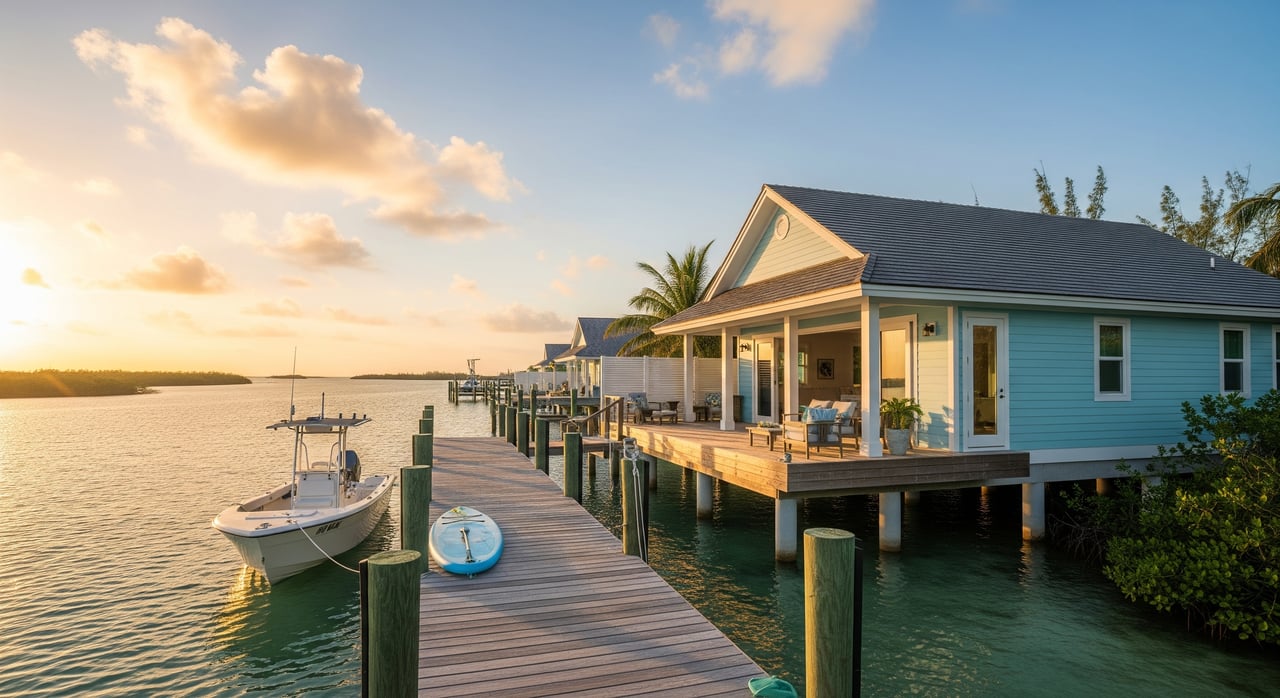
Wondering if there’s a “right” month to buy in the Lower Keys? You’re not alone. In Big Pine Key, timing does affect how many homes you’ll see, how hard you’ll compete, and how far a strong offer can stretch. This guide breaks down the seasonal rhythm, what it means for your budget and goals, and how to plan your move with confidence.
Let’s dive in.
Key seasons in the Lower Keys
From December through April, the Keys are in peak season. Visitor traffic rises, seasonal residents return, and more buyers are physically touring properties. You’ll often see faster showings, more competition for waterfront or turnkey homes, and tighter timelines.
Late spring through fall is the off-season. Visitor counts dip, foot traffic slows, and there are usually fewer competing buyers. During this window, you may find sellers more open to negotiation on price or terms.
Big Pine Key is quieter than major tourist hubs, yet it still sees seasonal swings. Because overall inventory is smaller, even a few new listings can change your options quickly. Staying ready to move when a match hits the market is essential.
Listing cycles and what to expect
Many owners list in late fall or winter to capture peak-season visibility. Some also list in early spring to catch remaining snowbirds. Others push to summer or early fall when competing inventory can be lower, which can help a listing stand out.
Waterfront and canal-front properties are limited and tend to command premium pricing. These often move faster when they show well and are priced correctly. Unique property types, like no-build lots or older wood-frame homes, can require a longer search and a more specialized plan.
Negotiation power shifts with market tempo. In winter and early spring, sellers often have the upper hand due to higher buyer traffic. In the off-season, leverage can tilt toward buyers, especially on listings with longer days on market or recent price reductions. Cash, pre-approval, clean contingencies, and flexible closing windows strengthen your position in any season.
How hurricane season affects timing
Hurricane season runs June 1 through November 30. Buyer traffic usually slows and some sellers become more motivated, which can help your negotiation stance. At the same time, insurance availability, inspection schedules, and closing timelines can be more complex.
Plan ahead for inspections and due diligence. Roof, wind mitigation, mold, and seawall or dock evaluations may take longer if storms are active. Build some buffer into your contract timeline for weather delays and utility or vendor scheduling.
Flood, elevation, and insurance costs
Many Lower Keys parcels sit in moderate to high flood zones. Flood insurance can be a significant and ongoing cost, and your lender may require it. Before you write an offer, review flood maps, elevation information, and potential policy changes that could affect premiums.
Florida building codes and wind-mitigation features matter. Elevated construction, roof tie-downs, and impact-rated openings can lower insurance costs and boost resale appeal. If a seller has completed upgrades and has documentation, buying after improvements can sometimes translate to lower premiums and clearer underwriting.
Map timing to your goals
If you want the best price potential
- Focus on late spring through early fall. Fewer buyers are in the market, which can improve your negotiating leverage.
- Track listings that stayed active through peak season or that have taken price reductions. These often present openings for stronger terms.
- Have pre-approval ready, know your must-have contingencies, and stay prepared to act quickly when the right home appears.
If you want the widest selection
- Target late fall through spring when many sellers bring listings to market. Expect faster showings and more competitive scenarios, especially for waterfront and turnkey homes.
- Streamline your readiness. Set alerts, schedule rapid tours, and be prepared to write a clean, compelling offer when you find a fit.
If you need a balance of value and choice
- Start searching several months before your ideal move date. Monitor listing flow and days on market to spot your opportunity window.
- Late spring can offer a mix of fresh listings with slightly less competition than winter. Be flexible on closing timelines to strengthen your offer while protecting your interests.
If you’re an investor or STR-focused buyer
- Confirm short-term rental rules and permitting early. Local regulations and enforcement can shift, so you want clarity before you commit.
- Consider buying ahead of peak season if you want to capture high-season bookings. Make sure insurance, licenses, and management plans align with your timing.
A practical buying timeline
60 to 90 days before you want to buy
- Get pre-approved or confirm cash proof of funds. Ask your lender about local requirements for flood and wind coverage.
- Reach out to local insurance agents to price wind and flood policies early. Ask how wind-mitigation or elevation features could affect premiums.
- Clarify your property type and must-haves. Waterfront access, dock depth, and canal width can all impact lifestyle and value.
30 to 60 days before you write
- Watch days on market and price changes across Big Pine Key and nearby islands.
- Line up specialized inspectors: seawall, dock, roof, mold, and septic where applicable. Vendor availability can be tight during storms or high season.
- Prepare offer strategies for both busy and quiet market weeks, including earnest money amounts, contingency timelines, and possible escalation language.
Offer through closing
- Move quickly on showings for standout properties. In a small inventory market, timing is often the edge.
- Keep your insurance quotes current in case underwriting terms change. Confirm coverage and deductibles before the appraisal and loan commitment dates.
- Build in flexibility on closing dates. Sellers often value a smooth, predictable process.
Big Pine Key factors to keep in mind
- Zoning and conservation: Parts of Big Pine Key fall within sensitive environmental areas that can restrict expansion or redevelopment. Verify county rules, setbacks, and any overlays that may apply to your parcel.
- Wildlife and permitting: The National Key Deer Refuge and related protections may affect buildability and renovation options. Confirm with local planning resources before you commit to a major project.
- Short-term rentals: Rules vary across the Keys. If rental income is part of your plan, check permitting and HOA standards before you write an offer.
- Title, survey, and water access: Waterfront boundaries, riparian rights, dock permits, and seawall condition influence value. Plan for surveys and inspections that address these issues specifically.
Quick buyer checklist
- Mortgage pre-approval or proof of funds
- Early insurance quotes for wind and flood, plus mitigation review
- Flood zone and elevation review
- Zoning and STR rule verification
- Seawall, dock, and shoreline inspections if waterfront
- Roof, wind-mitigation, termite, mold, and septic inspections as needed
- Title and survey timeline planning
What “best time” really means in the Lower Keys
There is no single perfect month for every buyer. In the Lower Keys, including Big Pine Key, the right timing depends on your priorities. Peak season brings more listings and more competition. Off-season can offer stronger negotiating leverage but fewer choices.
Your best move is to prepare early, stay flexible, and align your search with your goals. With a clear plan and a local guide who understands seasonality, permitting, and insurance, you can make a smart purchase on your timeline.
Work with a local partner
The Karen Haack Team blends decades of Big Pine Key insight with a full-service platform for buyers and investors. You get practical guidance on docks, flood and wind considerations, and local regulations, plus access to property management that helps investors transition from closing to rental income smoothly.
Ready to map your timing to the market? Talk to a Lower Keys expert who lives and works here every day. Connect with Halley Haack to start your plan.
FAQs
When are home prices typically most negotiable in the Lower Keys?
- Buyers often find more negotiating room in the off-season from late spring through fall, but selection can be limited and standout properties can still move quickly.
Will I see more listings in winter or summer around Big Pine Key?
- Many sellers aim for late fall through spring to meet peak-season demand, so you may see a listing surge then, while summer can bring fewer new options.
How does hurricane season impact the buying process in the Lower Keys?
- Hurricane season can lower buyer traffic and increase seller motivation, yet it may also complicate insurance and inspection timelines, so plan extra time.
Should I target a specific month to write an offer in Big Pine Key?
- Month matters less than readiness. Pre-approval, fast showings, and local coordination often beat trying to time a single “best” month.
What insurance or finance timing issues should I expect in the Keys?
- Expect careful underwriting for flood and wind coverage, potential wind-mitigation requirements, and lender timelines that make early insurance quotes essential.